Buy 49.biz ?
We are moving the project
49.biz .
Are you interested in purchasing the domain
49.biz ?
domain@kv-gmbh.de · 0541-91531010
Buy 49.biz ?
Where is the boundary between pruning and gentle maintenance pruning to remove excess growth?
The boundary between pruning and gentle maintenance pruning to remove excess growth is typically determined by the overall health and shape of the plant. Pruning involves more significant removal of branches and foliage to shape the plant, promote new growth, or remove damaged or diseased parts. Gentle maintenance pruning, on the other hand, involves light trimming to control the size and shape of the plant without drastically altering its overall structure. The boundary between the two techniques is subjective and depends on the specific needs of the plant and the desired outcome. It's important to assess the plant's overall health and growth patterns before deciding on the appropriate pruning approach. **
What is the training for an electronics technician for devices and systems?
An electronics technician for devices and systems typically undergoes a combination of formal education and on-the-job training. They may pursue a two-year associate degree in electronics technology or a related field, which provides them with a solid foundation in electronics principles, circuitry, and troubleshooting techniques. Additionally, they may receive specialized training from their employer or through industry certifications to learn about specific devices and systems they will be working with. This training may cover topics such as computer hardware, telecommunications equipment, medical devices, or industrial control systems, depending on the technician's area of specialization. Overall, the training for an electronics technician for devices and systems equips them with the knowledge and skills needed to install, maintain, and repair a wide range of electronic equipment. **

Similar search terms for RHS-Pruning-and-Training
Top-Angebote
Products related to RHS-Pruning-and-Training:
-
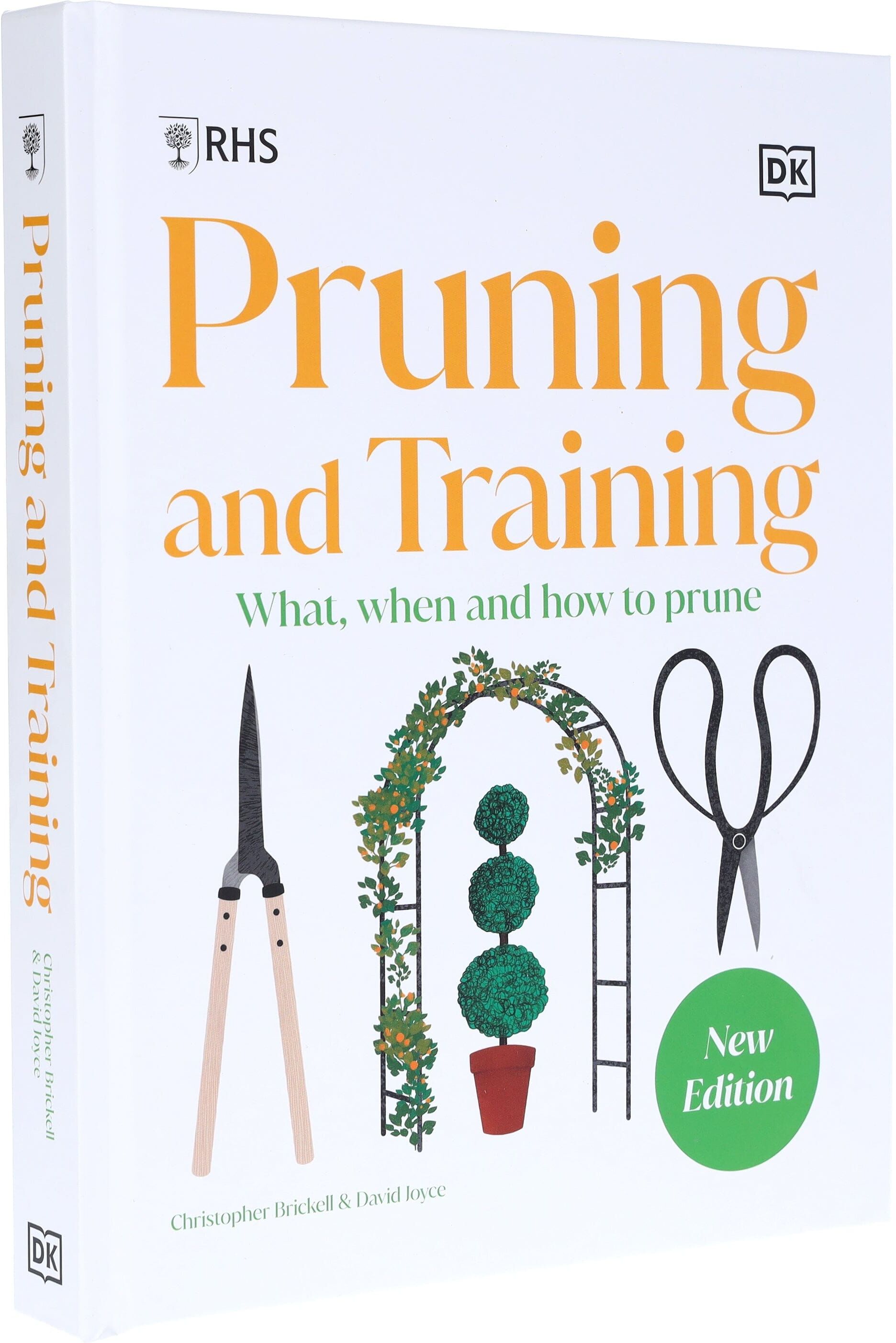
RHS Pruning and Training (New Edition): What, When, and How to Prune - Non Fiction - Hardback DKCut with confidence: know when and how to prune your trees and plants with this complete guide from the experts at the RHS. Keep your garden in top shape with the RHS's guide to pruning over 800 plants, shrubs, fruit bushes, ornamental trees, and climbing plants. Clear artworks and step-by-step photographs guide you through some of the simplest – and also more complicated – approaches to keeping your plants in good order. Knowing how to prune and shape plants correctly will help you achieve the best displays of flowers, produce bumper crops of fruit, and help your plants remain disease-free. A practical A-Z approach, organised by plant type, displays detailed information in an easy-to-use format, as well as guides for more specialised techniques. Whether pinch or renovation pruning, or pollaring and topiary, this book has it all.10,99 £*Shipping: 2,99 £Secure redirect to the provider
-
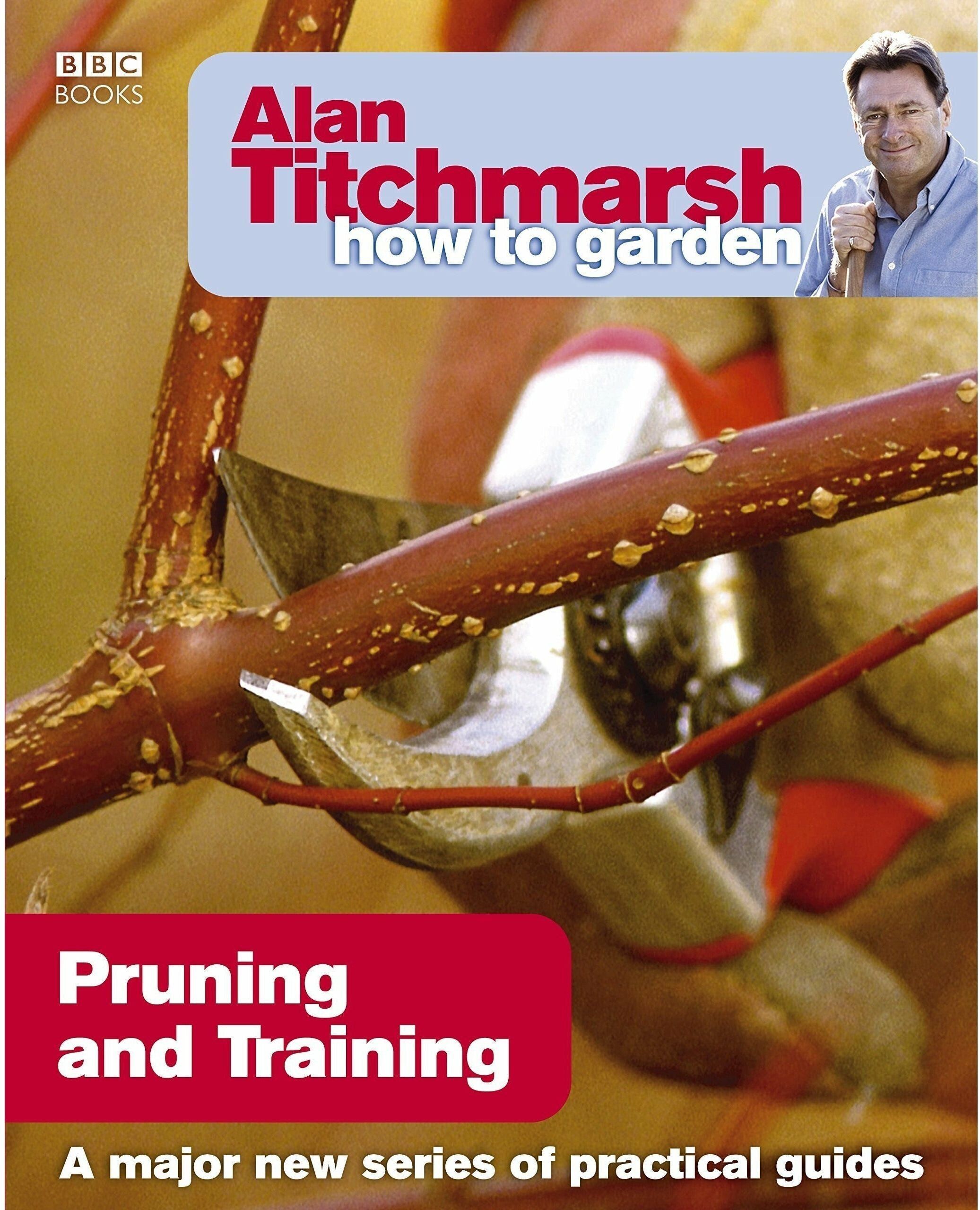
BBC Books Alan Titchmarsh How to Garden: Pruning and TrainingDeals with the basic skills that every gardener needs to know and understand. Think about what you're trying to achieve, whether it be formative shaping of the plant, maintenance, renewal or rejuvenation. Look at the best tools available for the job and the different techniques to use.Includes: guidance on selecting and using tools and equipment comprehensive instructions on pruning plants, including roses, shrubs and hedges tips on how to increase cropping and flowering advice on training for shape and support Alan Titchmarsh imparts a lifetime of expertise in these definitive guides for beginners and experienced gardeners. Step-by-step illustrations and easy-to-follow instructions guide you through the basic gardening skills and on to the advanced techniques, providing everything you need to create and maintain your dream garden.2,67 £*Shipping: 1,99 £Secure redirect to the provider
-
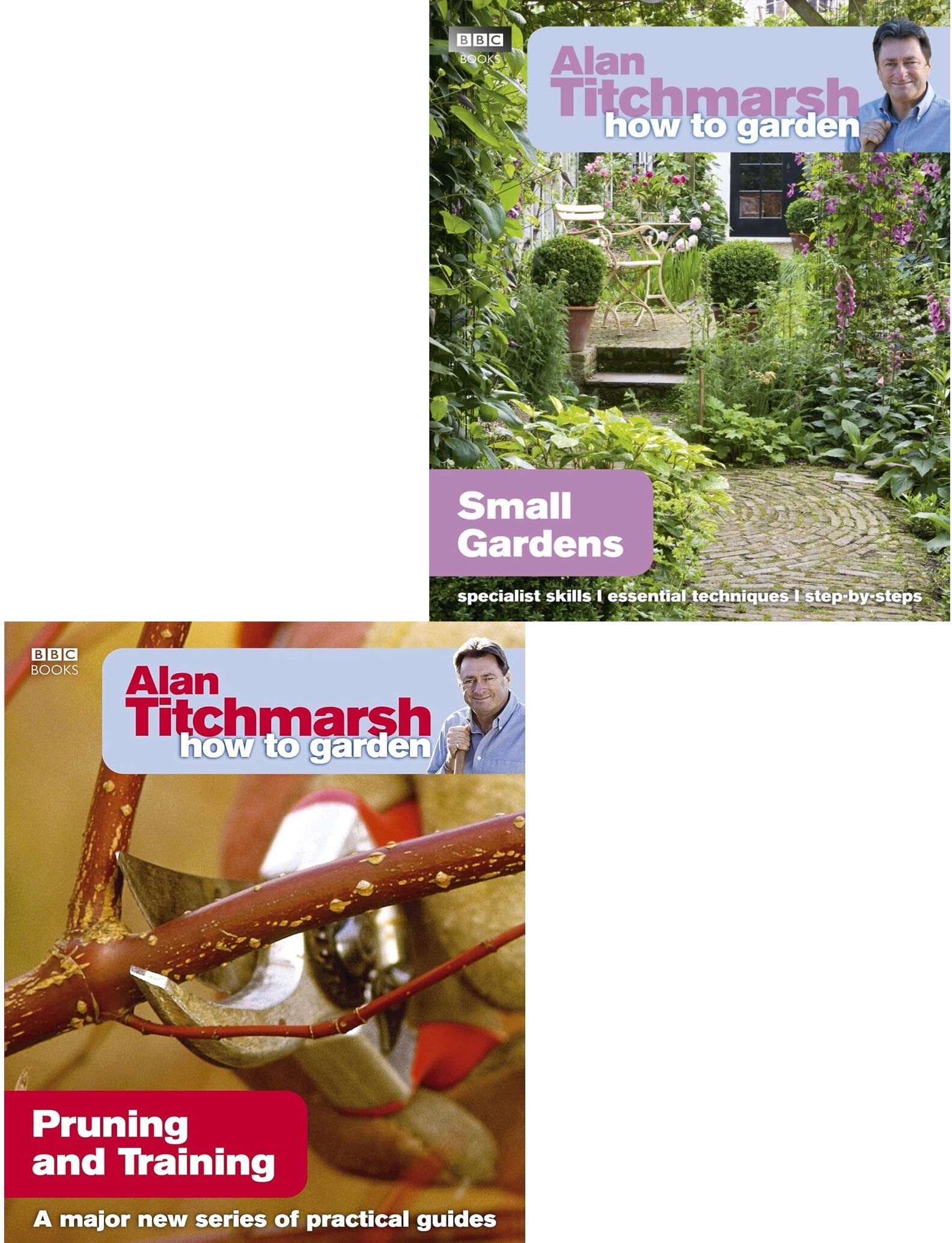
BBC Books Alan Titchmarsh How to Garden 2 Book Set – Pruning & Training and Small Gardens Guide CollectionAlan Titchmarsh How to Garden Series 2 Books Collection Set (Pruning and Training, Small Gardens) How to Garden: Pruning and Training Herbaceous perennials flower each year, dying down in the winter and springing back to life the following spring. They are central features in the landscape of a garden as they appear year-after-year and must be regarded as constant features. This book gives the expert view on the vast array of flowers available. Includes: creative garden ideas and border planting plans practical advice on care, maintenance and propagation illustrated A-Z profiles of recommended plants recommended plants for specific purposes, conditions and effects step-by-step illustrations showing essential techniques Alan Titchmarsh imparts a lifetime of expertise in these definitive guides for beginners and experienced gardeners. Step-by-step illustrations and easy-to-follow instructions guide you through the basic gardening skills and on to the advanced techniques, providing everything you need to create beautiful flower borders in your garden. How to Garden: Small Gardens Successful gardens can be created in the smallest spaces, and in this inspiring and practical guide Alan Titchmarsh shows how to transform even the tiniest outdoor area into an attractive garden. With ideas for maximizing space and advice on garden design, planning and plant selection, this is the definitive handbook for anyone wanting to create a private haven in limited space. Ideas for front gardens, side passages, courtyards, balconies, rooftops and windowsills Tricks to make small spaces seem larger How to use every inch of space, including containers Easy-to-follow landscaping plans for all garden shapes and styles Guidance on growing vegetables, herbs and fruit in small plots8,95 £*Shipping: 2,99 £Secure redirect to the provider
-
BBC Books Alan Titchmarsh How to Garden Series 3 Books Collection Set (Growing Roses, Pruning and Training, Perennial Garden Plants)Alan Titchmarsh How to Garden Series 3 Books Set (Growing Roses, Pruning and Training, Perennial Garden Plants) How to Garden: Growing Roses The rose is the nation's favourite flower and never goes out of fashion. In this definitive guide, Alan Titchmarsh shows how to grow and care for roses in your garden. He covers all the essential techniques and provides inspirational ideas for training and planting schemes that will ensure healthy plants and stunning displays year on year. A-Z directory of Alan's recommended roses Essential techniques for pruning and support How to combine roses with other plants Suggested roses for all garden situations, including shady and exposed sites Comprehensive guide to understanding rose types How to Garden: Pruning and Training Deals with the basic skills that every gardener needs to know and understand. Think about what you're trying to achieve, whether it be formative shaping of the plant, maintenance, renewal or rejuvenation. Look at the best tools available for the job and the different techniques to use. Includes: guidance on selecting and using tools and equipment comprehensive instructions on pruning plants, including roses, shrubs and hedges tips on how to increase cropping and flowering advice on training for shape and support Alan Titchmarsh imparts a lifetime of expertise in these definitive guides for beginners and experienced gardeners. Step-by-step illustrations and easy-to-follow instructions guide you through the basic gardening skills and on to the advanced techniques, providing everything you need to create and maintain your dream garden. How to Garden: Pruning and Training Herbaceous perennials flower each year, dying down in the winter and springing back to life the following spring. They are central features in the landscape of a garden as they appear year-after-year and must be regarded as constant features. This book gives the expert view on the vast array of flowers available. Includes: creative garden ideas and border planting plans practical advice on care, maintenance and propagation illustrated A-Z profiles of recommended plants recommended plants for specific purposes, conditions and effects step-by-step illustrations showing essential techniques Alan Titchmarsh imparts a lifetime of expertise in these definitive guides for beginners and experienced gardeners. Step-by-step illustrations and easy-to-follow instructions guide you through the basic gardening skills and on to the advanced techniques, providing everything you need to create beautiful flower borders in your garden.13,99 £*Shipping: 2,99 £Secure redirect to the provider

-
What types and styles are there when it comes to pruning?
There are several types of pruning techniques, including thinning, heading, shearing, and rejuvenation pruning. Thinning involves selectively removing branches to improve air circulation and light penetration. Heading is the practice of cutting back the tips of branches to encourage new growth. Shearing is a method of shaping hedges or topiaries by trimming the outer foliage. Rejuvenation pruning involves cutting back older branches to stimulate new growth and improve the overall health of the plant. Each type of pruning has its own specific purpose and is used depending on the desired outcome for the plant. **
-
What math and physics knowledge is required for training as an automation technology electronics technician?
To train as an automation technology electronics technician, a solid foundation in mathematics is essential. This includes knowledge of algebra, geometry, trigonometry, and calculus. Understanding physics principles, such as electricity, magnetism, and mechanics, is also crucial for this career path. Additionally, knowledge of circuit theory, digital electronics, and control systems is necessary to work effectively in automation technology. **
-
Is the training to become an electronics technician for energy and building technology too difficult?
The difficulty of training to become an electronics technician for energy and building technology depends on the individual's aptitude, dedication, and prior knowledge in the field. While the training may be challenging due to the technical nature of the work and the need for a strong understanding of electrical systems, it is not inherently too difficult for someone with a genuine interest and willingness to learn. With the right support, resources, and commitment, individuals can successfully complete the training and develop the necessary skills for a career in this field. **
-
What would be better: training as a machine and equipment operator or training as an electronics technician for automation technology?
The choice between training as a machine and equipment operator or training as an electronics technician for automation technology depends on individual interests and career goals. Training as a machine and equipment operator may be better for those who enjoy hands-on work and operating heavy machinery. On the other hand, training as an electronics technician for automation technology may be more suitable for individuals interested in working with advanced technology and automation systems. Both career paths offer opportunities for growth and job stability, so it ultimately comes down to personal preferences and strengths. **

What is the difference between a bolt cutter and a pruning shear?
A bolt cutter is a heavy-duty tool designed to cut through metal bolts, chains, and padlocks. It has long handles and powerful jaws to provide the leverage needed to cut through tough materials. On the other hand, a pruning shear is a gardening tool used for cutting and trimming plants, branches, and small stems. It has shorter handles and a more precise cutting blade designed for use on living plant material. In summary, the main difference between a bolt cutter and a pruning shear is their intended use and the materials they are designed to cut. **
How can one shorten the training to become an electronics technician for energy and building technology?
One way to shorten the training to become an electronics technician for energy and building technology is to enroll in an accelerated or intensive training program that covers the essential skills and knowledge in a shorter period of time. Another option is to seek out apprenticeship programs that offer a fast-track route to certification by allowing candidates to gain practical experience alongside their studies. Additionally, focusing on self-study and utilizing online resources to supplement classroom learning can help individuals progress more quickly through their training. **
Top-Angebote
Products related to RHS-Pruning-and-Training:
-
DK RHS Pruning & Training, RHS Propagating Plants, RHS Pests & Diseases 3 Books Collection SetRHS Pruning & Training, RHS Propagating Plants, RHS Pests & Diseases 3 Books Collection Set: RHS Pruning & Training: Learn how to prune and train fruit bushes, fruit trees, roses, and woody ornamentals with this best-selling plant-by-plant guide - now in its 4th edition. RHS Propagating Plants: Learn how to propagate virtually every type of plant, from fruit trees and ornamental shrubs to exotic orchids and succulents. Packed with hundreds of step-by-step tutorials, this new edition of RHS Propagating Plants is your go-to guide for clear and instructive propagation advice. RHS Pests & Diseases: Have you got a plant with a problem and don't know how to fix it? This unrivalled practical reference is all you need to nurse it back to health.25,99 £*Shipping: 2,99 £Secure redirect to the provider
-
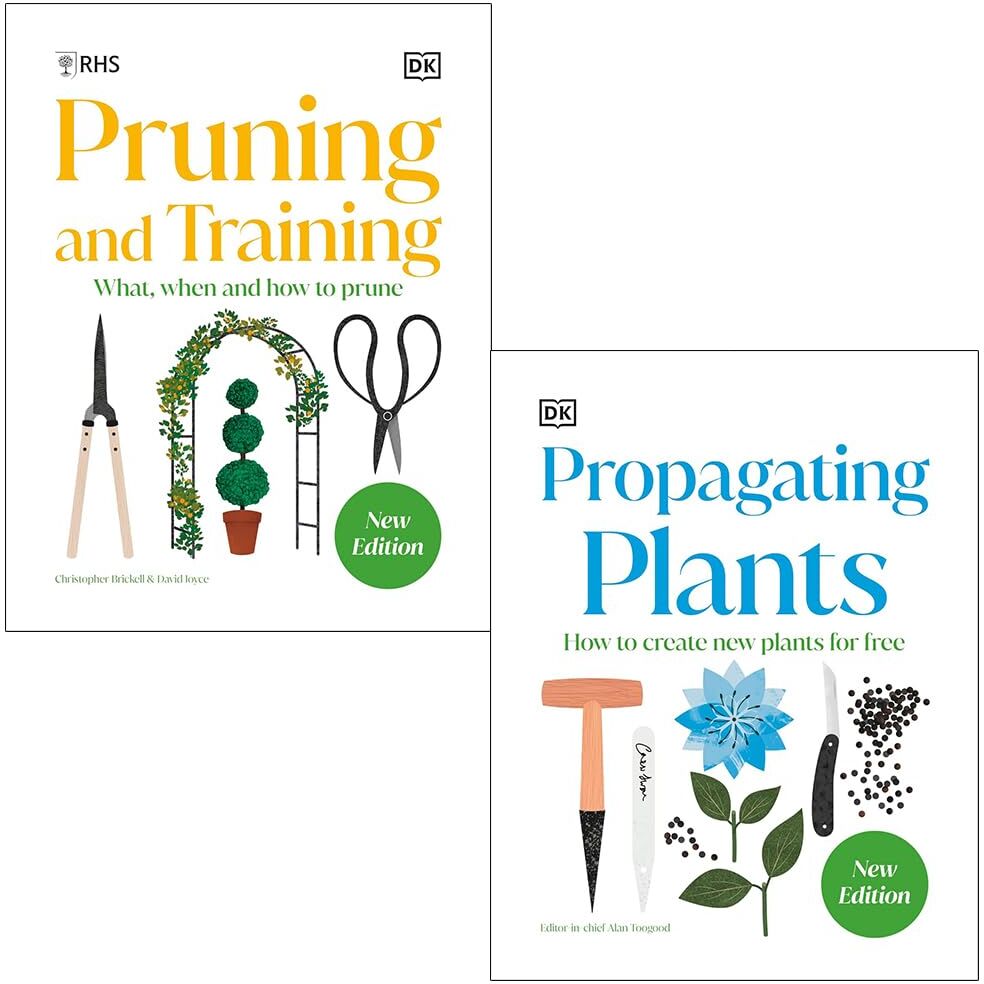
DK ltd RHS Pruning and Training and RHS Propagating Plants 2 Books Collection Set By DKRHS Pruning and Training and RHS Propagating Plants 2 Books Collection Set By DK Books Included in This Set: RHS Pruning and Training RHS Propagating Plants RHS Pruning and Training Cut with confidence: know when and how to prune your trees and plants with this complete guide from the experts at the RHS. Keep your garden in top shape with the RHS's guide to pruning over 800 plants, shrubs, fruit bushes, ornamental trees, and climbing plants. Clear artworks and step-by-step photographs guide you through some of the simplest – and also more complicated – approaches to keeping your plants in good order. RHS Propagating Plants Fill your garden with beautiful plants for next-to-nothing Do you long to grow your own plants from scratch? This complete guide from the experts at the RHS will teach you how to propagate every type of plant. If you're a thrifty gardener who wants more plants for free, then this book is perfect for you! From fruit trees and ornamental shrubs to exotic orchids and succulents, get all the info you need to propagate 1,500+ garden plants.17,99 £*Shipping: 2,99 £Secure redirect to the provider
-
RHS Pruning and Training (New Edition): What, When, and How to Prune - Non Fiction - Hardback DKCut with confidence: know when and how to prune your trees and plants with this complete guide from the experts at the RHS. Keep your garden in top shape with the RHS's guide to pruning over 800 plants, shrubs, fruit bushes, ornamental trees, and climbing plants. Clear artworks and step-by-step photographs guide you through some of the simplest – and also more complicated – approaches to keeping your plants in good order. Knowing how to prune and shape plants correctly will help you achieve the best displays of flowers, produce bumper crops of fruit, and help your plants remain disease-free. A practical A-Z approach, organised by plant type, displays detailed information in an easy-to-use format, as well as guides for more specialised techniques. Whether pinch or renovation pruning, or pollaring and topiary, this book has it all.10,99 £*Shipping: 2,99 £Secure redirect to the provider
-
BBC Books Alan Titchmarsh How to Garden: Pruning and TrainingDeals with the basic skills that every gardener needs to know and understand. Think about what you're trying to achieve, whether it be formative shaping of the plant, maintenance, renewal or rejuvenation. Look at the best tools available for the job and the different techniques to use.Includes: guidance on selecting and using tools and equipment comprehensive instructions on pruning plants, including roses, shrubs and hedges tips on how to increase cropping and flowering advice on training for shape and support Alan Titchmarsh imparts a lifetime of expertise in these definitive guides for beginners and experienced gardeners. Step-by-step illustrations and easy-to-follow instructions guide you through the basic gardening skills and on to the advanced techniques, providing everything you need to create and maintain your dream garden.2,67 £*Shipping: 1,99 £Secure redirect to the provider
-
Where is the boundary between pruning and gentle maintenance pruning to remove excess growth?
The boundary between pruning and gentle maintenance pruning to remove excess growth is typically determined by the overall health and shape of the plant. Pruning involves more significant removal of branches and foliage to shape the plant, promote new growth, or remove damaged or diseased parts. Gentle maintenance pruning, on the other hand, involves light trimming to control the size and shape of the plant without drastically altering its overall structure. The boundary between the two techniques is subjective and depends on the specific needs of the plant and the desired outcome. It's important to assess the plant's overall health and growth patterns before deciding on the appropriate pruning approach. **
-
What is the training for an electronics technician for devices and systems?
An electronics technician for devices and systems typically undergoes a combination of formal education and on-the-job training. They may pursue a two-year associate degree in electronics technology or a related field, which provides them with a solid foundation in electronics principles, circuitry, and troubleshooting techniques. Additionally, they may receive specialized training from their employer or through industry certifications to learn about specific devices and systems they will be working with. This training may cover topics such as computer hardware, telecommunications equipment, medical devices, or industrial control systems, depending on the technician's area of specialization. Overall, the training for an electronics technician for devices and systems equips them with the knowledge and skills needed to install, maintain, and repair a wide range of electronic equipment. **
-
What types and styles are there when it comes to pruning?
There are several types of pruning techniques, including thinning, heading, shearing, and rejuvenation pruning. Thinning involves selectively removing branches to improve air circulation and light penetration. Heading is the practice of cutting back the tips of branches to encourage new growth. Shearing is a method of shaping hedges or topiaries by trimming the outer foliage. Rejuvenation pruning involves cutting back older branches to stimulate new growth and improve the overall health of the plant. Each type of pruning has its own specific purpose and is used depending on the desired outcome for the plant. **
-
What math and physics knowledge is required for training as an automation technology electronics technician?
To train as an automation technology electronics technician, a solid foundation in mathematics is essential. This includes knowledge of algebra, geometry, trigonometry, and calculus. Understanding physics principles, such as electricity, magnetism, and mechanics, is also crucial for this career path. Additionally, knowledge of circuit theory, digital electronics, and control systems is necessary to work effectively in automation technology. **
Similar search terms for RHS-Pruning-and-Training
-
BBC Books Alan Titchmarsh How to Garden 2 Book Set – Pruning & Training and Small Gardens Guide CollectionAlan Titchmarsh How to Garden Series 2 Books Collection Set (Pruning and Training, Small Gardens) How to Garden: Pruning and Training Herbaceous perennials flower each year, dying down in the winter and springing back to life the following spring. They are central features in the landscape of a garden as they appear year-after-year and must be regarded as constant features. This book gives the expert view on the vast array of flowers available. Includes: creative garden ideas and border planting plans practical advice on care, maintenance and propagation illustrated A-Z profiles of recommended plants recommended plants for specific purposes, conditions and effects step-by-step illustrations showing essential techniques Alan Titchmarsh imparts a lifetime of expertise in these definitive guides for beginners and experienced gardeners. Step-by-step illustrations and easy-to-follow instructions guide you through the basic gardening skills and on to the advanced techniques, providing everything you need to create beautiful flower borders in your garden. How to Garden: Small Gardens Successful gardens can be created in the smallest spaces, and in this inspiring and practical guide Alan Titchmarsh shows how to transform even the tiniest outdoor area into an attractive garden. With ideas for maximizing space and advice on garden design, planning and plant selection, this is the definitive handbook for anyone wanting to create a private haven in limited space. Ideas for front gardens, side passages, courtyards, balconies, rooftops and windowsills Tricks to make small spaces seem larger How to use every inch of space, including containers Easy-to-follow landscaping plans for all garden shapes and styles Guidance on growing vegetables, herbs and fruit in small plots8,95 £*Shipping: 2,99 £Secure redirect to the provider
-
BBC Books Alan Titchmarsh How to Garden Series 3 Books Collection Set (Growing Roses, Pruning and Training, Perennial Garden Plants)Alan Titchmarsh How to Garden Series 3 Books Set (Growing Roses, Pruning and Training, Perennial Garden Plants) How to Garden: Growing Roses The rose is the nation's favourite flower and never goes out of fashion. In this definitive guide, Alan Titchmarsh shows how to grow and care for roses in your garden. He covers all the essential techniques and provides inspirational ideas for training and planting schemes that will ensure healthy plants and stunning displays year on year. A-Z directory of Alan's recommended roses Essential techniques for pruning and support How to combine roses with other plants Suggested roses for all garden situations, including shady and exposed sites Comprehensive guide to understanding rose types How to Garden: Pruning and Training Deals with the basic skills that every gardener needs to know and understand. Think about what you're trying to achieve, whether it be formative shaping of the plant, maintenance, renewal or rejuvenation. Look at the best tools available for the job and the different techniques to use. Includes: guidance on selecting and using tools and equipment comprehensive instructions on pruning plants, including roses, shrubs and hedges tips on how to increase cropping and flowering advice on training for shape and support Alan Titchmarsh imparts a lifetime of expertise in these definitive guides for beginners and experienced gardeners. Step-by-step illustrations and easy-to-follow instructions guide you through the basic gardening skills and on to the advanced techniques, providing everything you need to create and maintain your dream garden. How to Garden: Pruning and Training Herbaceous perennials flower each year, dying down in the winter and springing back to life the following spring. They are central features in the landscape of a garden as they appear year-after-year and must be regarded as constant features. This book gives the expert view on the vast array of flowers available. Includes: creative garden ideas and border planting plans practical advice on care, maintenance and propagation illustrated A-Z profiles of recommended plants recommended plants for specific purposes, conditions and effects step-by-step illustrations showing essential techniques Alan Titchmarsh imparts a lifetime of expertise in these definitive guides for beginners and experienced gardeners. Step-by-step illustrations and easy-to-follow instructions guide you through the basic gardening skills and on to the advanced techniques, providing everything you need to create beautiful flower borders in your garden.13,99 £*Shipping: 2,99 £Secure redirect to the provider
-
DK RHS Pests and Diseases The Definitive Practical Guide to Identifying and Treating Garden ProblemsKeep your garden healthy and thriving with RHS Pests and Diseases, the essential reference guide for identifying, understanding, and treating common garden problems.Published by the Royal Horticultural Society, this trusted handbook combines expert advice, detailed photographs, and practical solutions to help gardeners tackle issues affecting flowers, fruit, vegetables, trees, and houseplants. Discover how to recognize symptoms, diagnose causes, and choose the most effective organic or chemical treatments. Whether it’s aphids on roses, mildew on tomatoes, or mysterious leaf spots, this book provides clear, step-by-step guidance to restore your garden to good health. Perfect for beginners and experienced gardeners alike, RHS Pests and Diseases is an indispensable companion for anyone serious about successful, sustainable gardening. Comprehensive A–Z reference of pests, diseases, and disorders Over 1,000 color photographs for easy plant problem identification Expert advice from the Royal Horticultural Society Covers flowers, vegetables, fruit, shrubs, lawns, and houseplants Essential gardening guide for diagnosing and treating problems effectively6,49 £*Shipping: 2,99 £Secure redirect to the provider
-
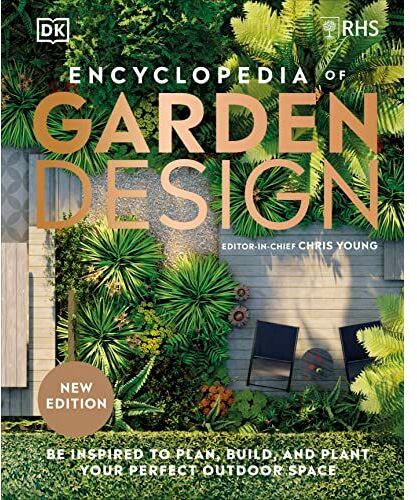
DK RHS Encyclopedia of Garden Design: Be Inspired to Plan, Build, and Plant Your Perfect Outdoor SpaceDo you long to create the garden of your dreams? Turn ideas into reality with this brand new edition of the classic design bible. Whatever the size of your garden space, and whether starting with a blank canvas or renewing an existing garden, this in-depth manual offers fresh, achievable ideas. Produced to the Royal Horticultural Society gold standard by a team of award-winning garden designers, this book will guide you through every stage of the creative and practical process. Learn you to visualize your ideas, develop plans, plot out, build and landscape, select the right plants, and apply the finishing touches to make your garden the ideal reflection of your tastes and creativity. With a refreshed look and extensive new content reflecting current trends, including wildlife-friendly and sustainable practices, this 5th edition of the RHS Encyclopedia of Garden Design combines style with substance and responsibility to help transform your outdoor space.22,99 £*Shipping: 2,99 £Secure redirect to the provider
-
Is the training to become an electronics technician for energy and building technology too difficult?
The difficulty of training to become an electronics technician for energy and building technology depends on the individual's aptitude, dedication, and prior knowledge in the field. While the training may be challenging due to the technical nature of the work and the need for a strong understanding of electrical systems, it is not inherently too difficult for someone with a genuine interest and willingness to learn. With the right support, resources, and commitment, individuals can successfully complete the training and develop the necessary skills for a career in this field. **
-
What would be better: training as a machine and equipment operator or training as an electronics technician for automation technology?
The choice between training as a machine and equipment operator or training as an electronics technician for automation technology depends on individual interests and career goals. Training as a machine and equipment operator may be better for those who enjoy hands-on work and operating heavy machinery. On the other hand, training as an electronics technician for automation technology may be more suitable for individuals interested in working with advanced technology and automation systems. Both career paths offer opportunities for growth and job stability, so it ultimately comes down to personal preferences and strengths. **
-
What is the difference between a bolt cutter and a pruning shear?
A bolt cutter is a heavy-duty tool designed to cut through metal bolts, chains, and padlocks. It has long handles and powerful jaws to provide the leverage needed to cut through tough materials. On the other hand, a pruning shear is a gardening tool used for cutting and trimming plants, branches, and small stems. It has shorter handles and a more precise cutting blade designed for use on living plant material. In summary, the main difference between a bolt cutter and a pruning shear is their intended use and the materials they are designed to cut. **
-
How can one shorten the training to become an electronics technician for energy and building technology?
One way to shorten the training to become an electronics technician for energy and building technology is to enroll in an accelerated or intensive training program that covers the essential skills and knowledge in a shorter period of time. Another option is to seek out apprenticeship programs that offer a fast-track route to certification by allowing candidates to gain practical experience alongside their studies. Additionally, focusing on self-study and utilizing online resources to supplement classroom learning can help individuals progress more quickly through their training. **
* All prices are inclusive of VAT and, if applicable, plus shipping costs. The offer information is based on the details provided by the respective shop and is updated through automated processes. Real-time updates do not occur, so deviations can occur in individual cases. ** Note: Parts of this content were created by AI.