Buy 49.biz ?
We are moving the project
49.biz .
Are you interested in purchasing the domain
49.biz ?
domain@kv-gmbh.de · 0541-91531010
Buy 49.biz ?
Is there a difference between medical technology and medical informatics?
Yes, there is a difference between medical technology and medical informatics. Medical technology refers to the tools, equipment, and procedures used in healthcare to diagnose, monitor, and treat patients, such as MRI machines, surgical robots, and pacemakers. On the other hand, medical informatics focuses on the use of technology and data to improve healthcare delivery, patient outcomes, and research. It involves the collection, storage, analysis, and interpretation of healthcare data to inform decision-making and improve the efficiency and quality of healthcare services. In summary, medical technology involves the physical tools and equipment used in healthcare, while medical informatics involves the use of technology and data to improve healthcare processes and outcomes. **
How can one study medical technology?
One can study medical technology by enrolling in a degree program in biomedical engineering, medical technology, or a related field. These programs typically offer courses in biology, chemistry, physics, and engineering, as well as specialized courses in medical device design, healthcare systems, and regulatory affairs. Additionally, students can gain practical experience through internships or co-op programs at hospitals, research labs, or medical device companies. Graduates can pursue careers in medical device development, healthcare technology management, or research and development in the medical field. **


Similar search terms for Nonin-Medical-Nonin-Forehead
Top-Angebote
Products related to Nonin-Medical-Nonin-Forehead:
-
Nonin Medical Nonin 8500 Handheld Pulse Oximeter""" Find this product at a lower published price from another authorized dealer? Give us a call: we will beat the price and give you a free fingertip pulse oximeter. Nonin 8500 Portable Handheld Oximeter The Nonin 8500 handheld pulse oximeter is a..."649,00 $*Shipping: 0,00 $Secure redirect to the provider
-
Nonin Medical Nonin PalmSat 2500 Oximeter without Alarm""" Nonin PalmSAT® 2500 Digital Handheld Pulse Oximeter without Alarm The Nonin PalmSAT® 2500 is a small, versatile digital handheld pulse oximeter known for its accurate assessment of blood oxygen saturation and pulse rate levels. It comes in two..."749,00 $*Shipping: 0,00 $Secure redirect to the provider
-
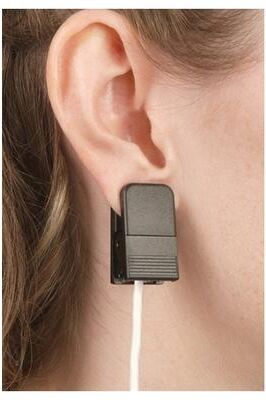
Nonin Medical Nonin Purelight Ear Clip Sensor - 3ft""" Nonin Ear Pulse Oximeter Sensor The Nonin 8000Q2 reusable ear clip sensor offers flexibility for spot check and longer-term SpO2 monitoring when digits are not the preferred application site. With Nonin PureLight sensor technology and PureSAT..."260,00 $*Shipping: 0,00 $Secure redirect to the provider
-
Nonin Medical Nonin Soft Fingertip Sensors - 9 Foot""" Nonin Soft Fingertip Sensors Small, medium and large Soft Sensors, 9 foot cable, 7 Pin Connector Increased warranty: Now 2 years Increased EMC compliance: Meets ISO 9919* Nonin branded: Distinctive new dark gray color with Nonin's trusted name..."268,00 $*Shipping: 0,00 $Secure redirect to the provider



-
What is considered as medical devices?
Medical devices are instruments, apparatuses, machines, implants, or similar items that are used for diagnosing, preventing, monitoring, or treating medical conditions. They can range from simple devices like thermometers and bandages to complex equipment like MRI machines and pacemakers. Medical devices are regulated by health authorities to ensure their safety, effectiveness, and quality for patient use. **
-
What are non-invasive medical devices?
Non-invasive medical devices are tools or equipment that do not penetrate the body or break the skin during their use. These devices are designed to diagnose, monitor, or treat medical conditions without the need for surgery or other invasive procedures. Examples of non-invasive medical devices include blood pressure monitors, thermometers, and ultrasound machines. These devices are often preferred by patients and healthcare providers due to their lower risk of complications and ease of use. **
-
What do you do in medical technology?
In medical technology, I work on developing and implementing innovative tools and devices that help improve patient care, diagnosis, and treatment. This involves collaborating with healthcare professionals to understand their needs and challenges, conducting research to develop new technologies, and testing and validating these solutions in clinical settings. Ultimately, my goal is to leverage technology to enhance the quality of healthcare delivery and outcomes for patients. **
-
Should one study medical technology or not?
Studying medical technology can be a rewarding career choice for those interested in healthcare and technology. It offers the opportunity to work at the intersection of medicine and innovation, contributing to advancements in patient care and treatment. With the increasing demand for healthcare professionals and the rapid development of medical technology, pursuing a degree in this field can lead to diverse job opportunities and a fulfilling career helping others. Ultimately, the decision to study medical technology should be based on individual interests, career goals, and passion for making a difference in the healthcare industry. **


Is a too large forehead worse or a too small forehead?
Both a too large forehead and a too small forehead can be considered less desirable in terms of facial aesthetics, as they can throw off the balance and proportions of the face. However, the perception of what is "worse" can vary from person to person. A too large forehead may be seen as more challenging to conceal or correct with hairstyles or makeup, while a too small forehead may be perceived as limiting in terms of facial expressions and overall facial harmony. Ultimately, the perception of what is "worse" may depend on individual preferences and cultural standards of beauty. **
Can I study medical technology without having physics?
While it is possible to study medical technology without having a background in physics, it is highly recommended to have a basic understanding of physics. Physics plays a crucial role in understanding the principles behind medical imaging, radiation therapy, and other medical technology applications. Without a foundation in physics, it may be challenging to grasp the underlying concepts and principles in medical technology. Therefore, having a basic understanding of physics can greatly benefit your studies and future career in medical technology. **
Top-Angebote
Products related to Nonin-Medical-Nonin-Forehead:
-
Nonin Medical Nonin Forehead Reflectance Sensor - 3ft""" IR Sensors for Reflectance Pulse Oximeter For an alternative to the finger-worn sensors typically employed when using a Nonin pulse oximeter, the company also offers a forehead pulse oximeter sensor, attached with an adhesive ring. This setup..."338,00 $*Shipping: 0,00 $Secure redirect to the provider
-
Nonin Medical Nonin Soft Fingertip Sensors""" Nonin Soft Fingertip Sensors Small, medium and large Soft Sensors, 3 foot cable, 7 Pin Connector Increased warranty: Now 2 years Increased EMC compliance: Meets ISO 9919* Nonin branded: Distinctive new dark gray color with Nonin's trusted name..."250,00 $*Shipping: 0,00 $Secure redirect to the provider
-
Nonin Medical Nonin 8500 Handheld Pulse Oximeter""" Find this product at a lower published price from another authorized dealer? Give us a call: we will beat the price and give you a free fingertip pulse oximeter. Nonin 8500 Portable Handheld Oximeter The Nonin 8500 handheld pulse oximeter is a..."649,00 $*Shipping: 0,00 $Secure redirect to the provider
-
Nonin Medical Nonin PalmSat 2500 Oximeter without Alarm""" Nonin PalmSAT® 2500 Digital Handheld Pulse Oximeter without Alarm The Nonin PalmSAT® 2500 is a small, versatile digital handheld pulse oximeter known for its accurate assessment of blood oxygen saturation and pulse rate levels. It comes in two..."749,00 $*Shipping: 0,00 $Secure redirect to the provider
-
Is there a difference between medical technology and medical informatics?
Yes, there is a difference between medical technology and medical informatics. Medical technology refers to the tools, equipment, and procedures used in healthcare to diagnose, monitor, and treat patients, such as MRI machines, surgical robots, and pacemakers. On the other hand, medical informatics focuses on the use of technology and data to improve healthcare delivery, patient outcomes, and research. It involves the collection, storage, analysis, and interpretation of healthcare data to inform decision-making and improve the efficiency and quality of healthcare services. In summary, medical technology involves the physical tools and equipment used in healthcare, while medical informatics involves the use of technology and data to improve healthcare processes and outcomes. **
-
How can one study medical technology?
One can study medical technology by enrolling in a degree program in biomedical engineering, medical technology, or a related field. These programs typically offer courses in biology, chemistry, physics, and engineering, as well as specialized courses in medical device design, healthcare systems, and regulatory affairs. Additionally, students can gain practical experience through internships or co-op programs at hospitals, research labs, or medical device companies. Graduates can pursue careers in medical device development, healthcare technology management, or research and development in the medical field. **
-
What is considered as medical devices?
Medical devices are instruments, apparatuses, machines, implants, or similar items that are used for diagnosing, preventing, monitoring, or treating medical conditions. They can range from simple devices like thermometers and bandages to complex equipment like MRI machines and pacemakers. Medical devices are regulated by health authorities to ensure their safety, effectiveness, and quality for patient use. **
-
What are non-invasive medical devices?
Non-invasive medical devices are tools or equipment that do not penetrate the body or break the skin during their use. These devices are designed to diagnose, monitor, or treat medical conditions without the need for surgery or other invasive procedures. Examples of non-invasive medical devices include blood pressure monitors, thermometers, and ultrasound machines. These devices are often preferred by patients and healthcare providers due to their lower risk of complications and ease of use. **
Similar search terms for Nonin-Medical-Nonin-Forehead
-
Nonin Medical Nonin Purelight Ear Clip Sensor - 3ft""" Nonin Ear Pulse Oximeter Sensor The Nonin 8000Q2 reusable ear clip sensor offers flexibility for spot check and longer-term SpO2 monitoring when digits are not the preferred application site. With Nonin PureLight sensor technology and PureSAT..."260,00 $*Shipping: 0,00 $Secure redirect to the provider
-
Nonin Medical Nonin Soft Fingertip Sensors - 9 Foot""" Nonin Soft Fingertip Sensors Small, medium and large Soft Sensors, 9 foot cable, 7 Pin Connector Increased warranty: Now 2 years Increased EMC compliance: Meets ISO 9919* Nonin branded: Distinctive new dark gray color with Nonin's trusted name..."268,00 $*Shipping: 0,00 $Secure redirect to the provider
-
Nonin Medical Nonin PalmSat 2500 Handheld Pulse Oximeter with Alarms""" Nonin PalmSat 2500 Oxygen Saturation Monitor with Alarms The Nonin 2500 pulse oximeter is a compact unit weighing just 7.5 ounces, but it provides accurate readings of pulse rate and blood oxygen saturation levels. This version of Nonin's popular..."849,00 $*Shipping: 0,00 $Secure redirect to the provider
-
Nonin Medical Nonin 7500 - Portable Tabletop Pulse Oximeter with Alarms""" Nonin 7500 Tabletop Pulse Oximeter with Alarm The Nonin 7500 pulls double-duty as a tabletop oximeter and portable oximeter. This is made possible thanks to its sleek, lightweight, low-profile design. This remarkable Nonin oximeter is perfect for..."1199,00 $*Shipping: 0,00 $Secure redirect to the provider
-
What do you do in medical technology?
In medical technology, I work on developing and implementing innovative tools and devices that help improve patient care, diagnosis, and treatment. This involves collaborating with healthcare professionals to understand their needs and challenges, conducting research to develop new technologies, and testing and validating these solutions in clinical settings. Ultimately, my goal is to leverage technology to enhance the quality of healthcare delivery and outcomes for patients. **
-
Should one study medical technology or not?
Studying medical technology can be a rewarding career choice for those interested in healthcare and technology. It offers the opportunity to work at the intersection of medicine and innovation, contributing to advancements in patient care and treatment. With the increasing demand for healthcare professionals and the rapid development of medical technology, pursuing a degree in this field can lead to diverse job opportunities and a fulfilling career helping others. Ultimately, the decision to study medical technology should be based on individual interests, career goals, and passion for making a difference in the healthcare industry. **
-
Is a too large forehead worse or a too small forehead?
Both a too large forehead and a too small forehead can be considered less desirable in terms of facial aesthetics, as they can throw off the balance and proportions of the face. However, the perception of what is "worse" can vary from person to person. A too large forehead may be seen as more challenging to conceal or correct with hairstyles or makeup, while a too small forehead may be perceived as limiting in terms of facial expressions and overall facial harmony. Ultimately, the perception of what is "worse" may depend on individual preferences and cultural standards of beauty. **
-
Can I study medical technology without having physics?
While it is possible to study medical technology without having a background in physics, it is highly recommended to have a basic understanding of physics. Physics plays a crucial role in understanding the principles behind medical imaging, radiation therapy, and other medical technology applications. Without a foundation in physics, it may be challenging to grasp the underlying concepts and principles in medical technology. Therefore, having a basic understanding of physics can greatly benefit your studies and future career in medical technology. **
* All prices are inclusive of VAT and, if applicable, plus shipping costs. The offer information is based on the details provided by the respective shop and is updated through automated processes. Real-time updates do not occur, so deviations can occur in individual cases. ** Note: Parts of this content were created by AI.